
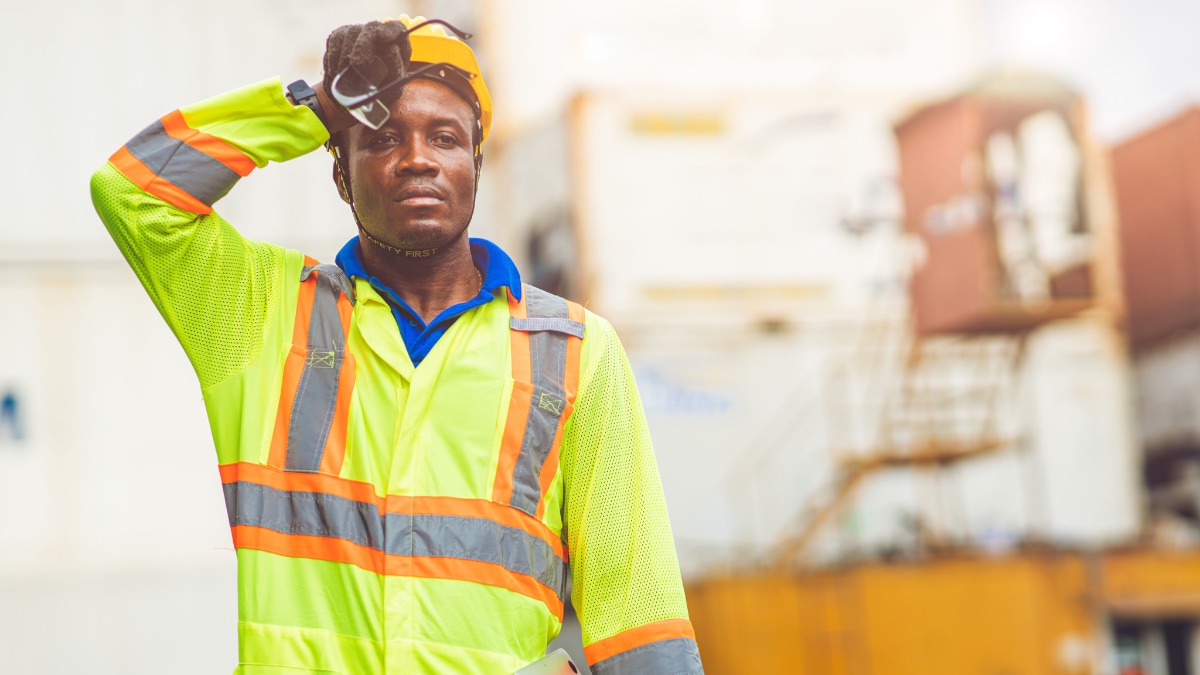
What happened: ARTBA has reminded the Biden administration of the transportation construction industry’s proactive steps to reduce heat-related illness and injuries. The Occupational Safety and Health Administration (OSHA) is considering new measures to increase enforcement of these hazards in outdoor and indoor environments. ARTBA Senior Vice President of Safety & Education Brad Sant, in a May 3 meeting with agency officials, emphasized that regulations should be outcome-based and not prescriptive in nature, ‘so as not to unintentionally negate some of the effective practices currently in use.’

Why it matters: OSHA has identified ‘Highway, Street and Bridge Construction’ and ‘Other Heavy and Civil Engineering Construction’ as targets for its rulemaking efforts and a National Emphasis Program (NEP), through which the agency said it hopes to double the number of inspections. This means ARTBA members are more likely to see OSHA compliance officers at their job sites.

ARTBA’s input: In the meeting and in Jan. 26 comments to the agency, ARTBA detailed the transportation construction industry’s efforts to address heat hazards. Bureau of Labor Statistics show the industry has sustained only three heat fatalities over the past decade. These efforts include live and virtual training, interactive tools to help employers and workers understand if they are vulnerable to extreme temperature hazards, and use of existing OSHA materials emphasizing ‘water, rest and shade.’

ARTBA also shared best practices used by its members, including:

  • Annual training on heat exposure at company safety days.
  • Toolbox talks about heat exhaustion and heat-related safety.
  • Mandatory cool-down periods for employees.
  • Umbrellas/shading devices on work equipment to protect operators.
  • Altering shift times when temperatures reach triple digits.
  • Providing water/sports drinks to employees on the jobsite.
  • A ‘buddy system’ for employees, so that if workers start showing signs of heat exhaustion, their colleagues recognizes the symptoms and take them to a cooler area.
  • Switching work to the night hours during summer months, reducing the first-hand effects of direct heat from the sun. The precautions above are still used to mitigate night heat.
  • Providing air-conditioned workspaces and work vehicles.

Engagement opportunities: ARTBA will continue to share information with its members about OSHA’s Heat NEP activities and provide information on ways employers can ensure they are following agency requirements. Employers are encouraged to visit ARTBA’s library of safety training resources.

Related News

April 14, 2026

Change to Inspection Guidance for Heat Hazards

What happened: OSHA April 10 updated its National Emphasis Program (NEP) on outdoor and…
Learn More
March 27, 2026

Missouri Teens Want Others to Know What’s at Stake in Work Zones

What’s happening: Teens from 10 Missouri high schools helped kick off a new safety…
Learn More
March 20, 2026

Senators Call On OSHA to Drop Heat Rule

What’s happening: Sixteen Republican Senators led by Health, Education, Labor & Pensions Committee Chairman Bill…

Learn More