
By KATIE CHIMELEWSKI

The Infrastructure Investment and Jobs Act (IIJA) provides significant investment in highway-railroad crossing safety improvement work through the previously enacted Railway-Highway Crossing Program and a new Railroad Crossing Elimination grant program. There is $845 million directly available for highway-rail grade crossing projects in Fiscal Year 2022, with a minimum of $3.4 billion remaining for the IIJA’s last four years.

The Railway-Highway Crossing Program (23 U.S.C.130), also known as the Section 130 Program, provides funds for the elimination of hazards. Since its inception in 1987, this program has correlated with a nearly 60 percent decrease in fatalities at crossings. The reduction has occurred despite increased vehicle miles traveled on both roadways and railways.

Additional pressures include the rapid growth and expansion of communities around existing railroad networks and more distracted or impaired driving and pedestrian behavior. Federal Railroad Administration (FRA) data shows that highway-rail grade crossing collisions and pedestrian trespassing on tracks account for most railroad fatalities.

Crossing eliminations are not the only eligible projects for possible award, with grade separation or closure other possibilities. This is done through engineering treatments such as bridges, embankments, tunnels, or track relocation. Other types of work may also be eligible if the improvements relate to the mobility of people and goods at highway-rail grade crossings, including technological solutions, and the planning, environmental review, and design of an eligible project type.

‘One way to improve safety is sharing information on gate activations, traffic backups over the grade crossings, or the need for an emergency vehicle to cross over the tracks,’ said Greg Krueger, emerging technologies program director at HNTB. ‘Projects in Columbus, Ohio, Jacksonville, Florida, and San Diego are being implemented and expanded using federal grant funding to better integrate rail operations information into the regional transportation operations framework.’

Now is the time to start engaging public partners and railroads for the new crossing elimination grant. Program requirements include a 20 percent non-federal matching share and—with the exception of planning grants—no award will be less than $1 million. The IIJA increases the maximum payment that a state may allocate to a local government for permanently closing a public highway-rail grade crossing to $100,000, subject to some conditions. This is the highest authorized incentive payment since the creation of the program.

Municipalities, state transportation departments, railroad companies and private contractors can work together through a diagnostic review process to identify hazardous public highway-rail grade crossing locations. These diagnostic teams use an identification system to classify grade crossings as high, medium, or low. These classifications help determine whether a crossing or corridor of crossings is eligible for closure, consolidation, and/or other safety improvements. Being proactive and engaging with local communities about being in these diagnostic reviews is likely to increase the chance of obtaining a grant.

Katie Chimelewski is ARTBA’s director of safety and membership engagement. This story appeared in the May/June issue of ARTBA’s Transportation Builder magazine.

Related News

April 14, 2026

Change to Inspection Guidance for Heat Hazards

What happened: OSHA April 10 updated its National Emphasis Program (NEP) on outdoor and…
Learn More
March 27, 2026

Missouri Teens Want Others to Know What’s at Stake in Work Zones

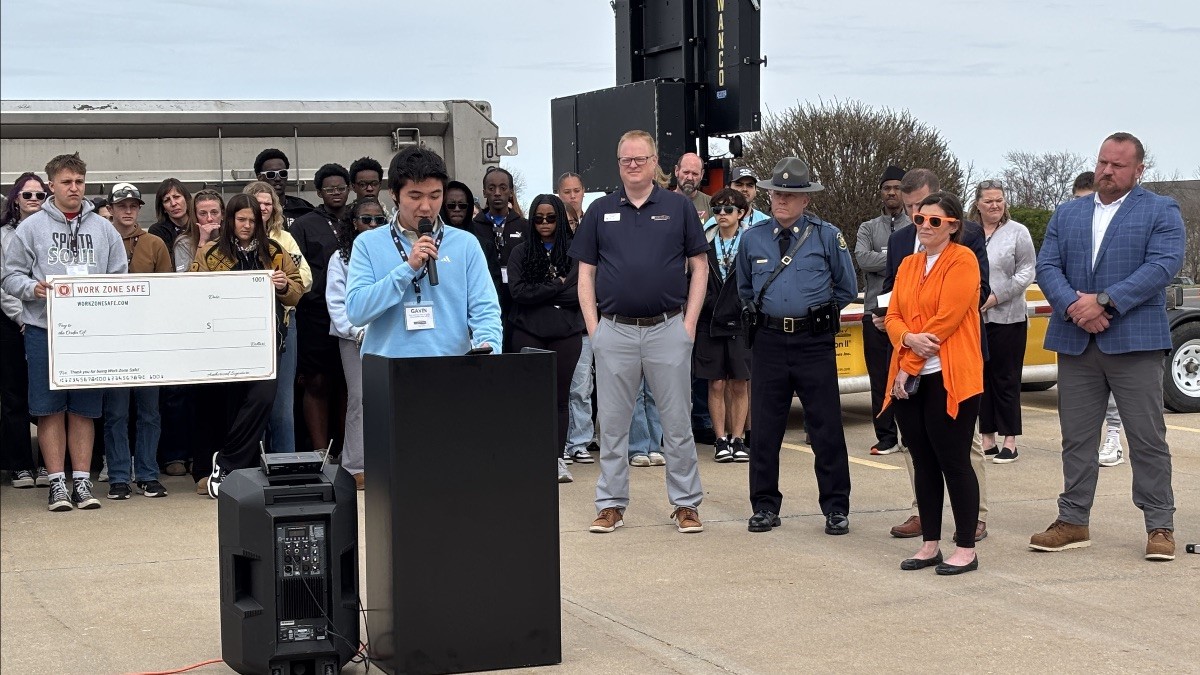
What’s happening: Teens from 10 Missouri high schools helped kick off a new safety…
Learn More
March 20, 2026

Senators Call On OSHA to Drop Heat Rule

What’s happening: Sixteen Republican Senators led by Health, Education, Labor & Pensions Committee Chairman Bill…

Learn More