
What happened: A bipartisan deal to keep the U.S. government operational through March 14 was upended by incoming President Donald Trump’s push for an increase in the federal debt limit and social media attacks by Trump advisor Elon Musk. Despite the president-elect’s threat to primary Republican House members who voted against a new measure tailored to meet his and Musk’s demands, 38 Republicans joined all but three Democrats in voting down the bill late last night.

Why it matters: With the House GOP slated to have an even slimmer three-vote majority once the new Congress is seated Jan. 3 (compared to the five-vote majority they enjoy now) the current situation foreshadows what is expected to be a very messy and complicated next two years in Congress.

What’s next: Government spending is scheduled to end at midnight, and it is unclear at the time of publishing how Speaker of the House Mike Johnson (R-La.) will bridge the differences between his members and the incoming president. Even if Johnson is able to bring his caucus together to push something through the House, the package still needs 60 votes in the Democratically controlled Senate. Democrats have so far balked at the renegotiated proposals and instead called for consideration of the original bipartisan agreement.

Related News

August 7, 2026

U.S. Senate Poised to Pass Funding Extension with Highway & Transit Program Cuts

What happened: The U.S. Senate Aug. 2 released legislative text of a measure to…

Learn More
July 31, 2026

Senators Prepare Temporary Transportation Measures

What happened: The Senate is preparing to advance both a temporary spending bill, known…
Learn More
July 28, 2026

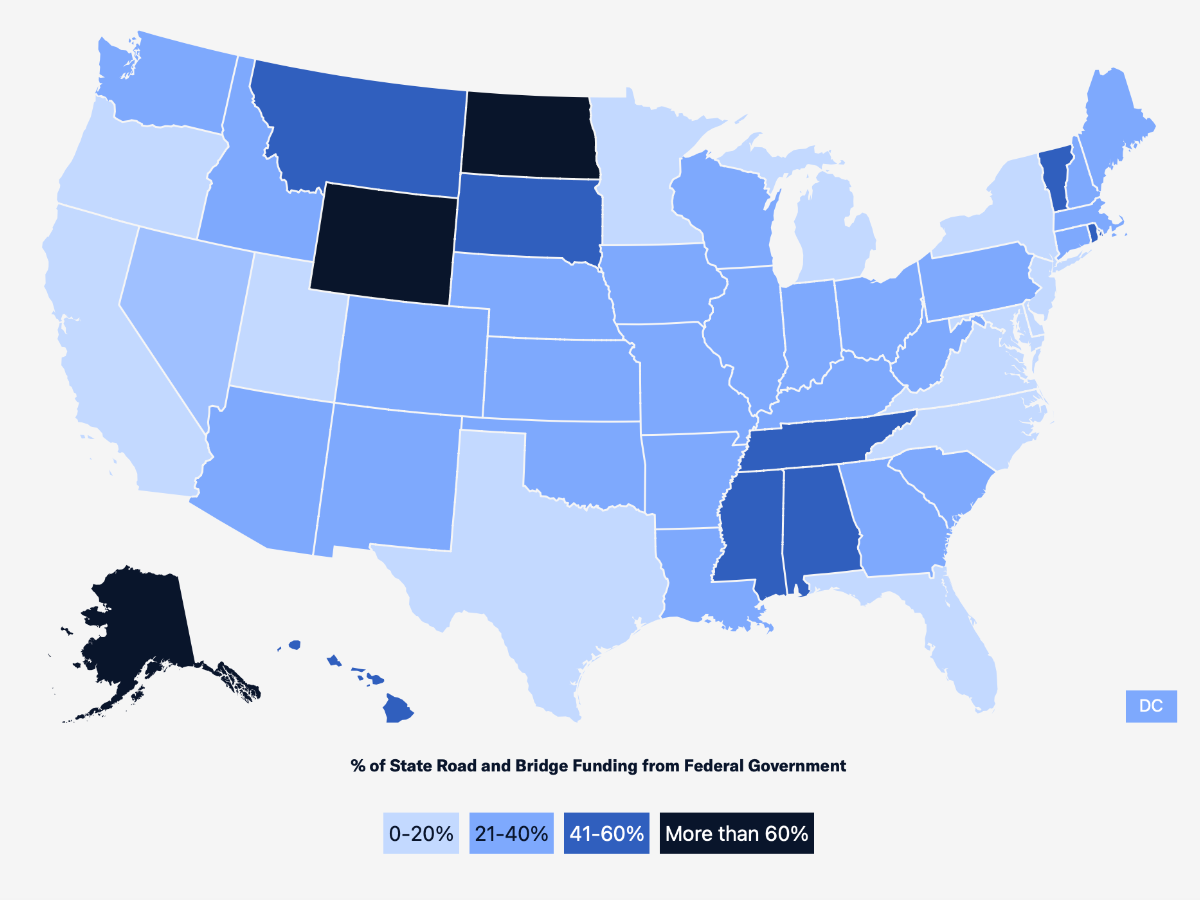
Business Community to Congress: Lack of Multi-Year Highway Bill Could Harm State Economies

What’s happening: The U.S. Chamber of Commerce, in partnership with ARTBA, launched an interactive map showing…

Learn More