

What happened: ARTBA submitted May 17 comments to the U.S. Department of Labor (DOL) opposing several provisions of its proposed expansion in Davis-Bacon coverage. The law requires use of local prevailing wage rates for personnel on federal-aid construction projects. DOL had published its proposed changes on March 18.

Why it matters: ARTBA expressed concern over several aspects of DOL’s proposal, including expansion of Davis-Bacon coverage to offsite personnel like fabricators and drivers, as well as certain flaggers and surveyors; requiring that contractors use wage rates effective at the time a project’s contract is extended or amended, thus imposing the risk of costs unforeseen at the time of initial procurement; mandating prime contractor liability for Davis-Bacon violations by its subcontractors; the importance of maximizing contractor participation in wage rate surveys; and the limited ability of smaller industry firms to assess and comply with DOL’s extensive proposed Davis-Bacon revisions.

What’s next: ARTBA convened a task force of interested contractor-members and chapter representatives to help craft its comments. We welcome continued input as DOL finalizes its changes to the Davis-Bacon rule. ARTBA will continue to forcefully represent its members during this process, as it has through this comment period and meetings held with DOL wage and hour officials last fall. For more information, please contact Nick Goldstein.

Related News

August 7, 2026

U.S. Senate Poised to Pass Funding Extension with Highway & Transit Program Cuts

What happened: The U.S. Senate Aug. 2 released legislative text of a measure to…

Learn More
July 31, 2026

Senators Prepare Temporary Transportation Measures

What happened: The Senate is preparing to advance both a temporary spending bill, known…
Learn More
July 28, 2026

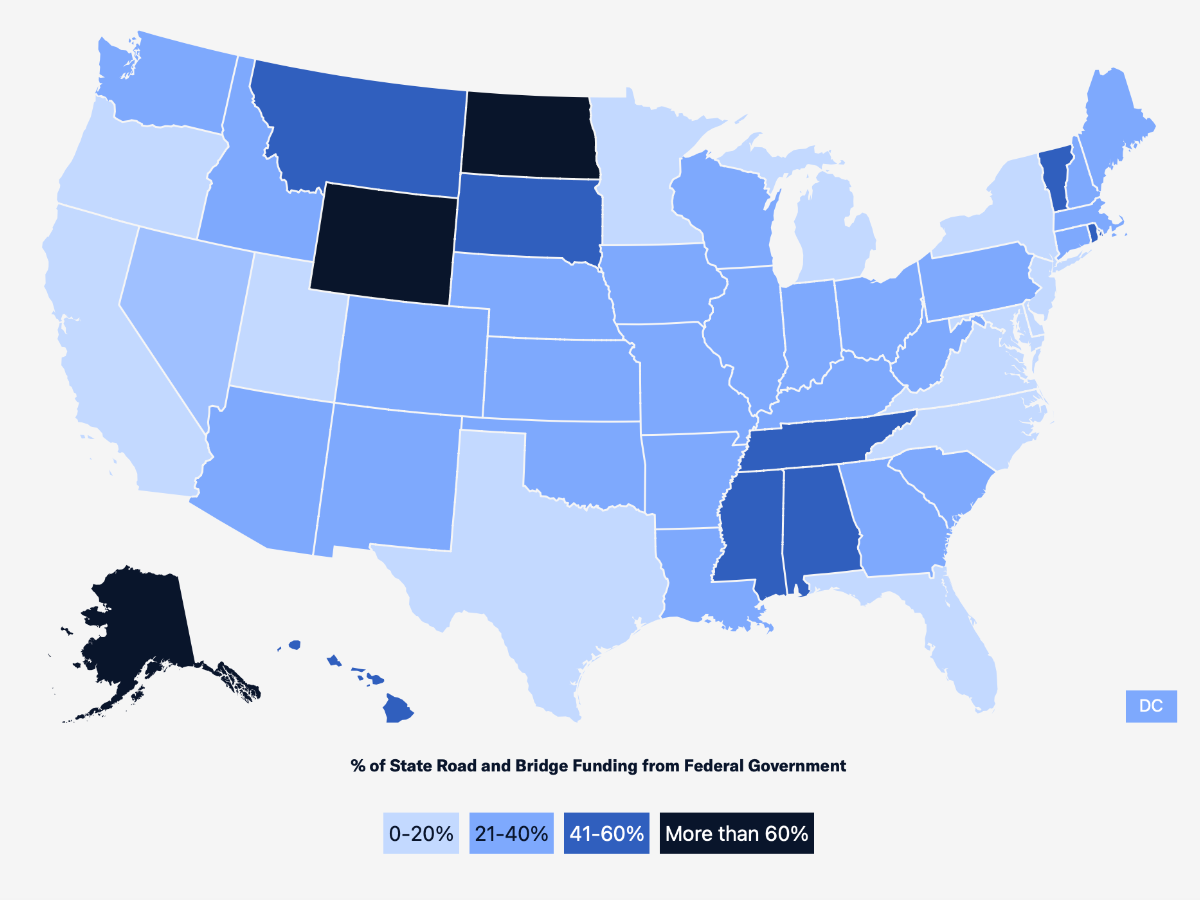
Business Community to Congress: Lack of Multi-Year Highway Bill Could Harm State Economies

What’s happening: The U.S. Chamber of Commerce, in partnership with ARTBA, launched an interactive map showing…

Learn More