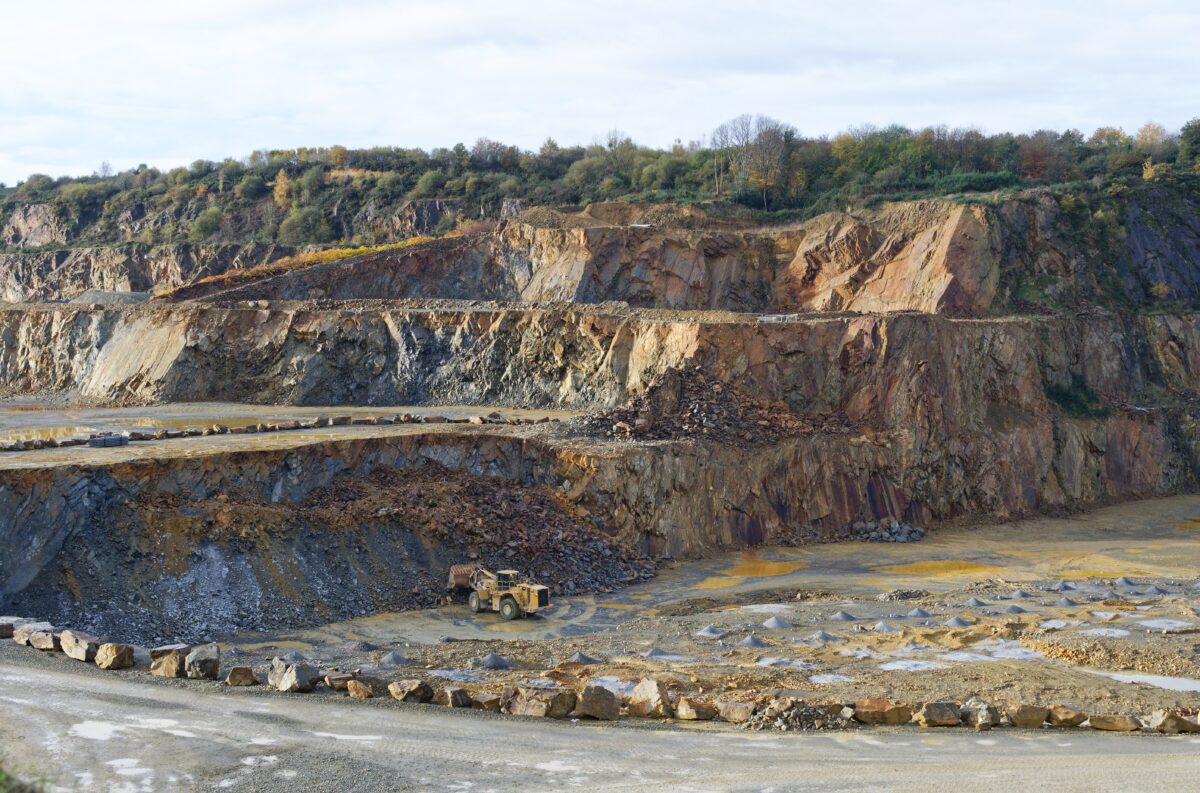
What happened: The Biden administration Feb. 15 announced the group will explore ways to increase the use of low-carbon materials in federal construction projects as part of a larger effort to reduce manufacturing sector emissions. The task force includes representatives of multiple federal agencies, including the U.S. Department of Transportation (U.S. DOT).

Why it matters: The task force will:

  • Identify materials, such as steel and concrete, as well as pollutants to prioritize for consideration in federal procurement and federally funded projects;
  • Increase the transparency of embodied emissions through supplier reporting, including incentives and technical assistance to help domestic manufacturers better report and reduce embodied emissions; and
  • Launch pilot programs to boost federal procurement of clean construction materials.

What’s next: U.S. DOT will introduce a pilot program aimed at increasing the use of Environmental Product Declarations, which are ‘transparent, verified reports used to communicate the environmental impact (e.g., resource use, energy, emissions) associated with the manufacture or production of construction materials such as asphalt, cement, asphalt mixtures, concrete mixtures, or steel reinforcement.’ The pilot program will also incentivize the acquisition of low-carbon materials.

U.S. DOT also will establish an ‘Embodied Carbon Working Group’ to ‘assess and implement actions to reduce life cycle emissions of construction materials used in transportation infrastructure.’ See White House fact sheet.

ARTBA will alert its membership as more specifics become available. Contact Nick Goldstein with any questions.


Federal Court Not Buying ‘Social Cost of Carbon’


What happened
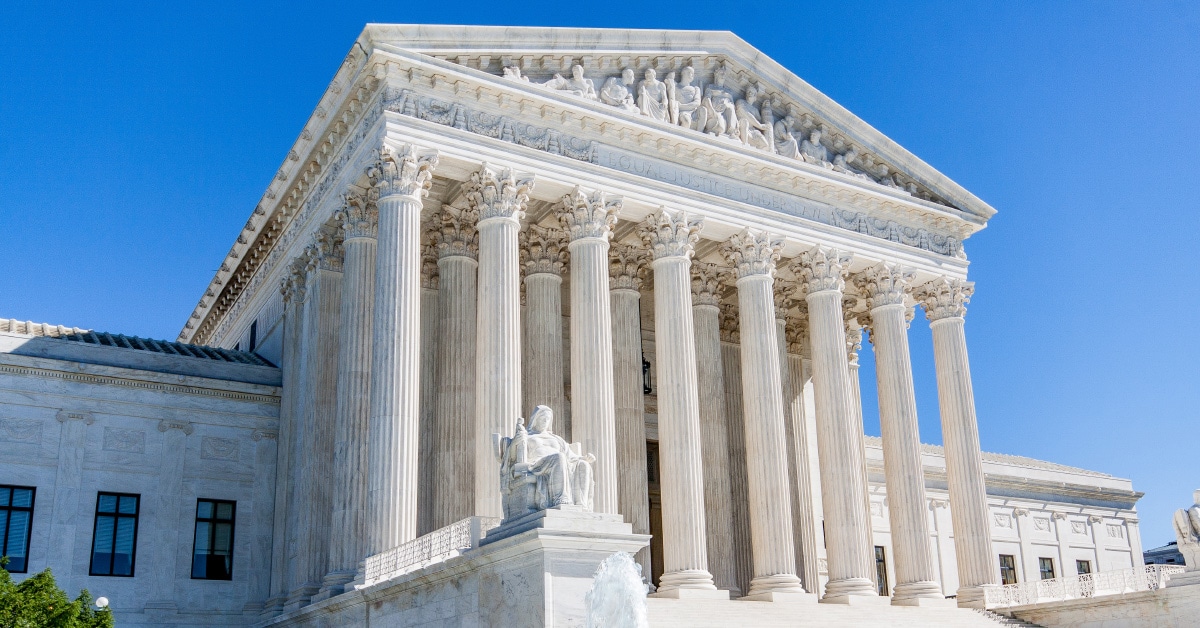
: A federal court Feb. 11 struck down the administration’s ‘social cost of carbon’ (SCC) estimate, an attempt to put a price tag on annual ‘damages associated with an incremental increase in carbon’ and justify climate regulations. The SCC was first developed in 2010 by 13 federal agencies, including the U.S. DOT, with subsequent administrations updating it according to their latest data.

Why it matters: The court’s order stated that the SCC estimate was ‘arbitrary and capricious and ‘based on fundamentally flawed methodology.’ ARTBA has warned Congress and the Office of Management and Budget the rule’s vagueness could attempt to hold transportation projects responsible for emissions associated with development occurring after the project is completed.

What’s next: Use of the SCC is blocked nationwide. The Biden administration has not announced plans to appeal the ruling, though it is expected to do so. ARTBA will continue to monitor this issue.

Related News

April 14, 2026

Change to Inspection Guidance for Heat Hazards

What happened: OSHA April 10 updated its National Emphasis Program (NEP) on outdoor and…

Learn More
April 6, 2026

DBE Litigation Ends

What happened: A federal judge in Kentucky dismissed a years-long challenge to the U.S.…

Learn More
March 20, 2026

Senators Call On OSHA to Drop Heat Rule

What’s happening: Sixteen Republican Senators led by Health, Education, Labor & Pensions Committee Chairman Bill…

Learn More