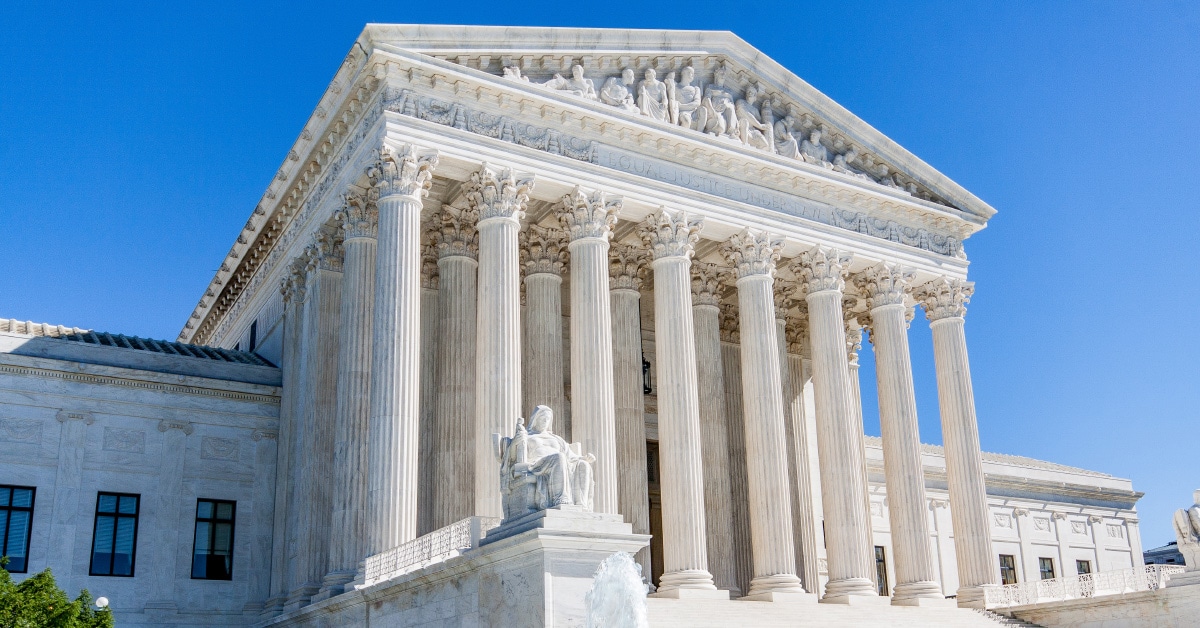
What happened: The U.S. Supreme Court Oct. 3 heard oral arguments in the case of Sackett v. Environmental Protection Agency (EPA).

Why it matters: The Sackett case is the latest attempt to resolve questions about the jurisdiction of the Clean Water Act (CWA). In this case, the Court is being asked to determine whether an area can be considered a ‘water of the United States’ (WOTUS) if it has a ‘significant nexus’ to a navigable waterbody such as a river, lake or stream. The term ‘significant nexus’ has caused confusion because the EPA has not adequately defined it. Thus, there is no ‘bright line’ that determines how far federal jurisdiction extends under the CWA. This has led to an overly broad application of the statute, causing increased permitting costs and delays for the regulated community. Much of the argument before the Court focused on the definition of the term ‘adjacent’ and how close an area must be to a waterbody to be considered a WOTUS. The justices also pressed the EPA to clarify the scope of the ‘significant nexus’ test, which the agency was unable to do.

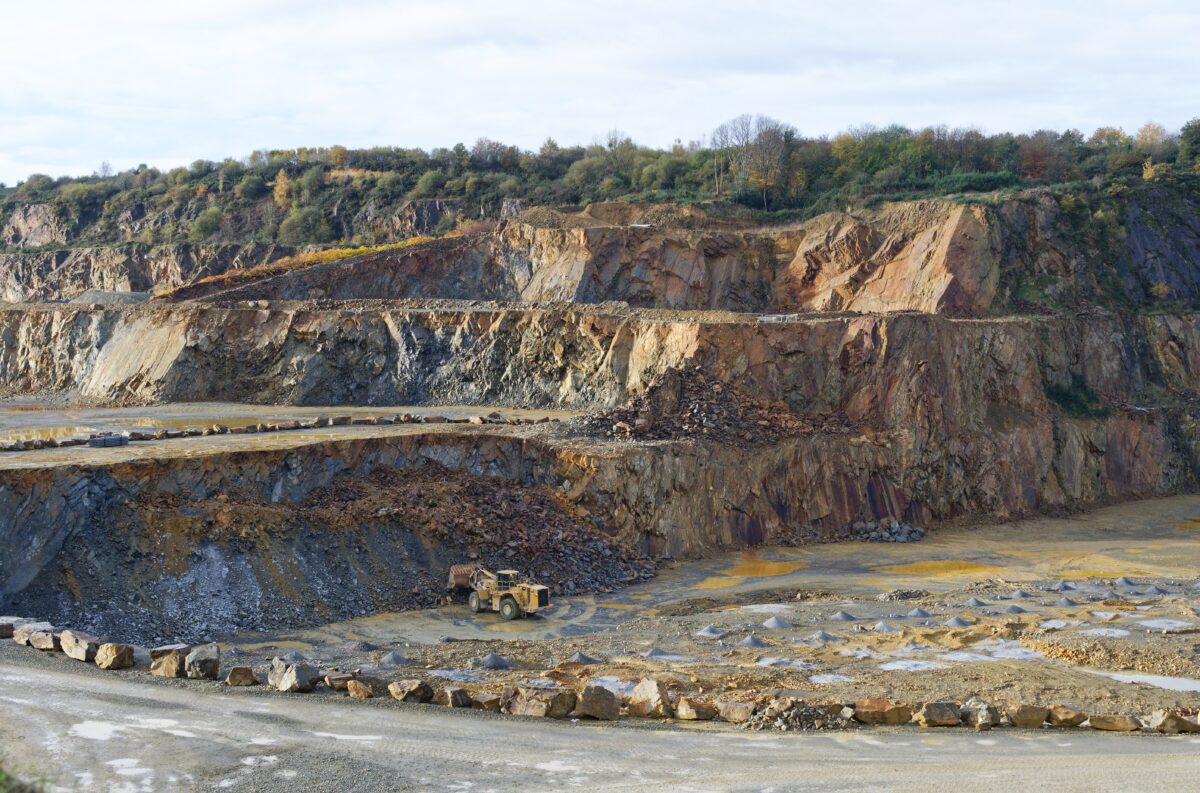
For transportation construction, whether the CWA covers highway ditches is the central issue. ARTBA has told both the EPA and Congress that roadside ditches are not covered by the CWA as they act to drain water from roads under construction – an essential safety feature of road projects. ARTBA and the National Stone Sand & Gravel Association (NSSGA) submitted an amicus brief in April to the Court explaining that EPA’s application of the ‘significant nexus’ test to roadside ditches serves only to delay critical infrastructure improvements and increase costs without providing any environmental benefits. For the past seven years, the two groups have been the only transportation construction associations litigating CWA jurisdiction in lower courts. The hope is that the Sackett decision provides clarity to these courts as they continue considering EPA’s authority under the CWA.

What’s next: The timing of the oral arguments coincides with EPA consideration of a regulation defining the scope of the CWA, which is expected to be released by the end of this year. A ruling in the Sackett case is expected in early 2023. If the Sackett decision does not align with EPA’s final regulation, additional federal court litigation is likely.

Related News

April 22, 2026

Administration Directs Agencies to Further Streamline Permitting

What happened: New guidance directing federal agencies to review and expand categorical exclusions (CEs) under the…

Learn More
April 20, 2026

Tariff Refund Website Goes Live

What’s happening: The U.S. Customs and Border Protection (CBP) April 20 launched an online…

Learn More
April 14, 2026

Change to Inspection Guidance for Heat Hazards

What happened: OSHA April 10 updated its National Emphasis Program (NEP) on outdoor and…

Learn More